The Depths of Racial Profiling

As the events in Ferguson continue to unfold, I am constantly reminded of the divide in the policing experiences of many Americans. The Pew Report came out with an interesting study regarding perceptions of the problems in Ferguson, and sadly, it went firmly along racial lines. White Americans thought justice will prevail; African Americans did not.

This gets to the heart of the issue. If you (or those around you) have negative experiences with police while growing up, you will never believe the system is fair.

Looking back, I can think of one such encounter. Growing up in a beautiful waterfront community in suburban New York, my father loved to take me to the park. He would play games with me, walk with me along the water, and listen to my little girl chatter. One day, a police vehicle drove by. The car returned, and began to slowly circle, watching us.

I, of course, was oblivious. It can be a joy to be young and naive.

My father, however, got the message.

The message wasn’t “oh how cute, look at this man and his little girl”

It was “YOU DON’T BELONG HERE“.

Rather than risk an unpleasant encounter, he cut our day short and took me home.

Maybe I didn’t mention it before — I grew up in a predominantly White community.

And another additional fact: my father never wore jeans or sneakers. To this day, he wears slacks, a polo or button down shirt, and a proper British hat, weather permitting. So this was not an issue of fashion, or fitting the description of a call regarding a criminal act.

This is an issue with no easy answers. I just encourage everyone not to assume, and LISTEN to what the deeper issues are.

Here is one man’s experience with profiling that really struck me. Even though he did everything society would expect, he was profiled as a student at Harvard. One quote from his article that struck me was that being racially profiled was a rite of passage as an African American into manhood, similar to a Jewish bar mitzvah. Read Madison Shockley’s article here.

My dad and mom circa 2004

What Do We Tell Our Sons?

The funeral of Michael Brown today is another chapter in an ongoing tragedy. In moving forward from here, the discussion needs to be had regarding what do we tell our children about how to interact with police? How should we interact with police?

Essence.com published my tips this weekend:

black-teen-closeup_400x295_36

In the wake of the Mike Brown shooting in Ferguson, Mo., as well as the chokehold death of Eric Garner in New York, and the others killed by police in questionable circumstances, the question is “What do we tell our children about interacting with the police?” It’s not about assigning blame on the victims’ actions. It’s about arming our young people with knowledge that could help save them in the future.

Pull right over. If your child is driving a car, and sees police lights in the rearview mirror, he or she should pull over immediately.  If it is not safe to pull over immediately, slow your speed and signal that you are pulling over. Failure to pull over puts police officers on high alert that there may be a problem (even if there isn’t one). Think about it from a police officer’s perspective. Why wouldn’t you stop? Do you have an open warrant? Do you have guns or drugs in the car? Based on their occupation, police officers are trained to assume the worst in every situation.

Read the rest of the article here

At What Cost?

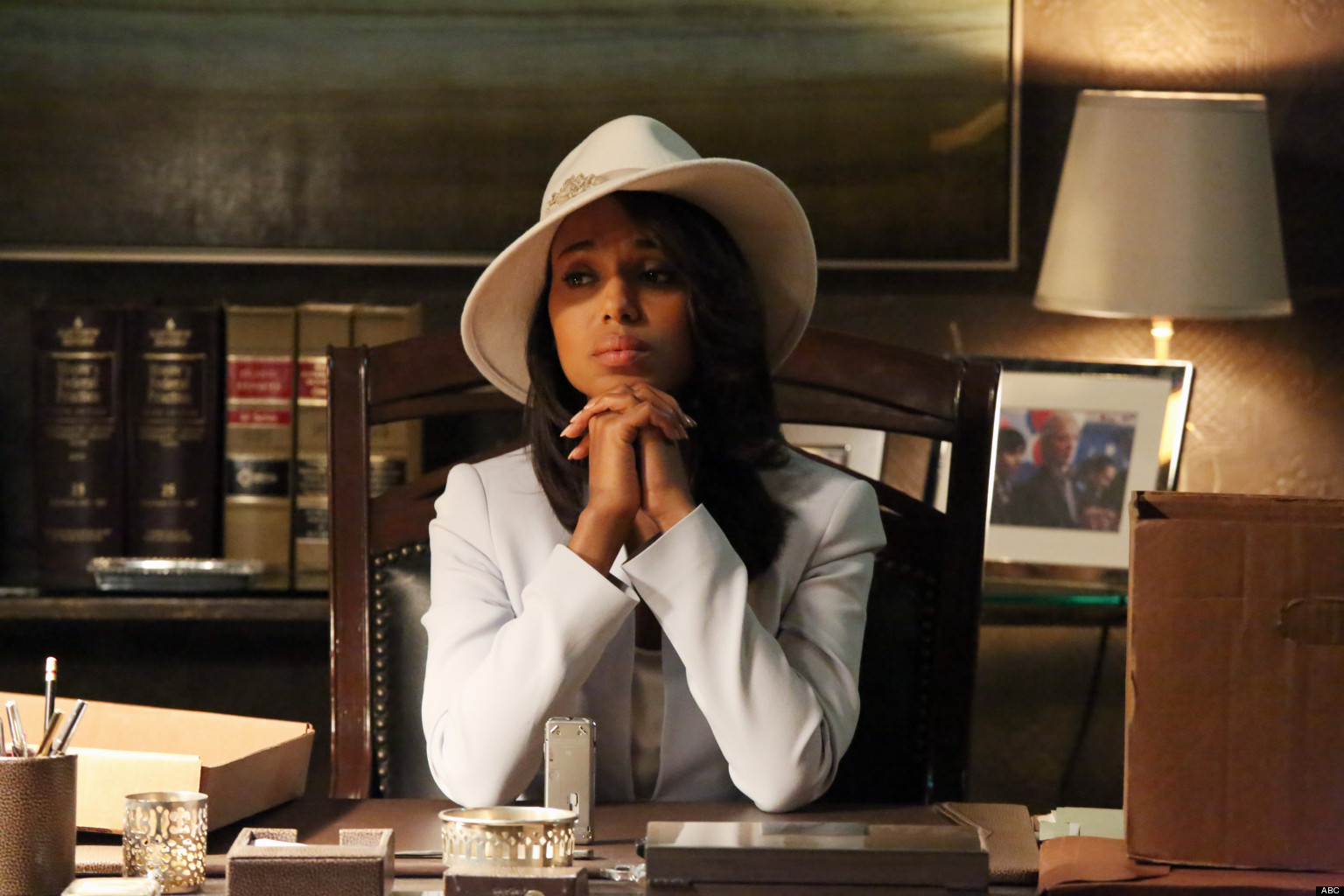
KERRY WASHINGTON

Everything has a price. It may not be monetary; it may be physical, it may be emotional. But everything has a price. Success has a price. Happiness has a price. Freedom has a price. The question is, how much is something worth, and more importantly…are you willing to pay?

So for the last time (for this season at least), I’m plucking another example from the show Scandal. The fictional president in the show, Fitz Grant, won a second term in office. It was a great accomplishment; but in the process, his son was killed, his marriage collapsed, and he was estranged from the woman he loved. Of course, the woman he loved was not his wife…the show IS called Scandal. But regardless, in this moment of victory, he had an emotional collapse. He fell to his knees in the Oval Office, and was overwhelmed by the extreme sacrifice it took to get there. And he was not happy.

Fitz-knees-1

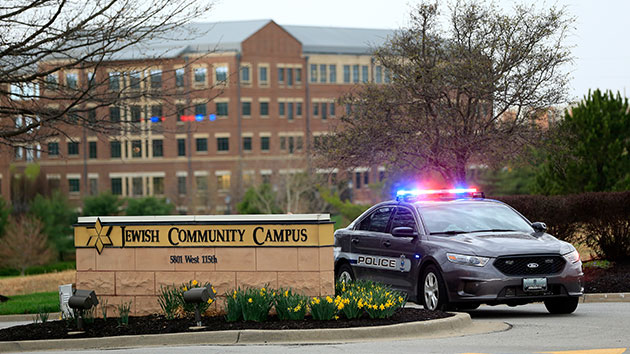
So switching gears to the real world. As Americans, we enjoy certain freedoms. As we know from history, it came at a price. We have the freedom of expression. But that freedom sometimes results in a lack of civility. We are free to express agreement, disagreement, and even hate. I am reminded of the awful shooting in Overland, Kansas this past week. The perpetrator is a white supremacist. He will likely face the death penalty for the three murders he committed.

kansas shooting

However, people are free to express their hate, as guaranteed by the First Amendment. As long as they are peaceful, this is a freedom that is guaranteed by our constitution. Although the majority of Americans are horrified by the fact such hateful people even exist, there is nothing that can directly be done unless a law is broken. We can ostracize extremists; law enforcement can keep a close eye on the activities of such groups just in case illegal activity is going on…but we can’t do anything more.

All we can do is educate our children that such beliefs are wrong.

This is a price we pay to have freedom of expression.

On another level, I look at those that work in the criminal justice system. The prosecutors, the public defenders and the police officers. They make the sacrifice on the daily basis so that the system keeps moving. They sacrifice high pay, sleep, and in some ways, a normal life. These are the people that spend time in the jails; these are the people who get out of bed at 3am to see death and its aftermath. For them, it is worth it so that justice can be achieved.

For me, as a prosecutor, I become reflective when posing this question.  Public servants are not always respected; I have been vilified by folks who just don’t get what I do. It is also not the most financially lucrative path in life.

But, I have the freedom to try über interesting cases. I have the privilege of holding the hand of a grieving mother, and bringing her a measure of comfort by putting the perpetrator in prison for a long time. I am able to volunteer in my community, and follow my passion of helping the youth. I also get to write. So I (and others) sacrifice for the ability to be free, do justice, and hopefully make a difference.

Is it worth it?

I can tell you this. The day the answer is no, is the day you will see a drastic change in my life.

So I ask you…what is worth it to you?

What price are you willing to pay…and is the price you are currently paying too high?

Comments welcome!

Trayvon Martin Boys Panel at Ponce Middle School, Miami

20140327-183424.jpg

Trayvon Martin Boys Panel at Ponce Middle School, Miami


The second in a series of panels sponsored by the National Black Prosecutors Association (NBPA) aimed at educating young men of color was held at Ponce Middle School in Miami. Please click the link above for this article, showing professionals and law enforcement working together to help the young men in the community. We have three more panels coming in the next two weeks.

Follow me on Twitter @ResLegalDiva, or email me directly for more information.